In der Welle der digitalen Transformation erlebt die globale Fertigung eine tiefgreifende Metamorphose von Automatisierung zu intelligenten Systemen.Es ist nicht nur ein mechanischer Fehler, es ist ein Lackmus-Test für die Zusammenarbeit des gesamten industriellen Ökosystems.Die Identifizierung der Kernkomponenten, deren Fehlfunktion den System-weiten Ausfall verursacht hat, ist für jeden industriellen Datenanalytiker zu einer kritischen Herausforderung geworden.
Industrieroboter sind weit mehr als mechanische Baugruppen, sie stellen hochintegrierte Präzisionssysteme dar.Ihre architektonische Komplexität und logische Interdependenz bestimmen die oberen Grenzen der modernen FabrikproduktivitätDiese Analyse untersucht systematisch fünf Schlüsselmodule: Steuerungen, Antriebssysteme, Leistungskerne, Endeffektoren,und Wahrnehmungssysteme, die zeigen, wie industrielle Roboter die Zukunft der Fertigung durch logische geschlossene Architekturen umgestalten.
I. Die Steuerung: Das "Zentralnervensystem" des Systems
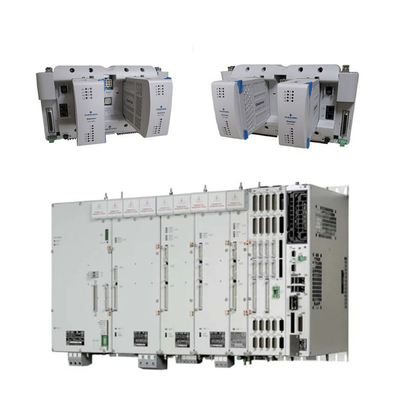
Die Steuerung ist das "Gehirn" des Industrieroboters.Steuerungen verarbeiten nicht nur Befehle, sondern dienen auch als Datenkonvergenzzentren für ganze ProduktionslinienDurch die Ausführung logischer Urteile in Echtzeit verwandeln sie komplexe Bewegungsplanungen in hochpräzise Pulssignale.
Moderne Steuerungsarchitekturen wechseln von geschlossenen zu offenen Systemen.eine nahtlose Integration mit Fabrik-MES (Manufacturing Execution Systems) und ERP-Netzwerken ermöglichtDies erleichtert den Sprung vom Standalone-Betrieb zum Anlagen-weiten Datenloop-Management.
Durch Lehrhänger kalibrieren Ingenieure die Bewegungspfade präzise, während die Steuerungen die Haltung, Geschwindigkeit und Beschleunigung des Roboterarms innerhalb von Millisekundenfenstern dynamisch optimieren.Für AnalystenDie Daten des Kontrollprotokolls stellen eine "Goldmine" für die Ermittlung von Produktionsengpässen dar. Verzögerungen in den Kontrollanweisungen decken häufig potenzielle Risikopunkte auf, bevor Fehler auftreten.
II. Antriebssysteme: Die "Muskelmaschine" der Bewegung
Wenn Steuerungen Gedanken repräsentieren, bilden Antriebssysteme die "Muskeln", die diese Gedanken ausführen.Ihre Leistung bestimmt unmittelbar die Tragfähigkeit und die Betriebsgenauigkeit eines Roboters..
Drei primäre Antriebsmodi dominieren industrielle Anwendungen: Hydraulikantriebe herrschen im Schwerlastheben und Schmieden aufgrund der beispiellosen Leistungsdichte überlegen;Elektrische Antriebe erreichen eine perfekte Balance zwischen GeschwindigkeitDie Antriebe der Luftfahrzeuge bieten leichte Konstruktions- und Kostenvorteile für grundlegende Sortieraufgaben.
Moderne Servo-Steuerungstechnologien treiben Miniaturisierung und Intelligenz voran.die Echtzeit-Signalverarbeitung ermöglicht und gleichzeitig kritische diagnostische Daten einschließlich Temperatur- und Stromschwankungen für prädiktive Wartungsstrategien bereitstellt.
III. Leistungskern: Servomotoren und Bewegungssteuerung
Servomotoren haben sich durch außergewöhnliche dynamische Reaktionsfähigkeit, hohes Startdrehmoment und große Drehzahlbereiche als unersetzliche "Herz" von Automatisierungssystemen etabliert.mit geschlossenen Rückkopplungssystemen (wie hochauflösenden Encoder) gekoppelt, erreichen sie Millimeter- oder sogar Mikronpräzision.
Diese Präzision beruht auf ausgeklügelten Steuerungsalgorithmen, die Lastvariationen in Echtzeit kompensieren. monitoring servo motor current curves and positional errors provides crucial health indicators—abnormal vibrations or excessive loads often signal lubrication failures or mechanical wear in transmission chains.
IV. End-Effektoren: Die "peripherischen Berührungspunkte"
Da es sich bei den Roboter um die einzige physikalische Schnittstelle handelt, hat das Design der End-Effektoren entscheidende Auswirkungen auf die Produktivität.drastische Verbesserung der Vermögensnutzung.
Grundsätzliche mechanische Greifer behandeln standardisierte Komponenten, während Vakuumbecher bei zerbrechlichen oder unregelmäßigen Objekten wie Glasplatten hervorragend funktionieren.Sprühdüsen) verwandeln Roboter von einfachen Bewegungsmaschinen in komplexe Prozess-Ausführungen. Fortgeschrittene kraftempfindliche Greifer veranschaulichen den Übergang vom starren zum intelligenten Betrieb, ein Kennzeichen der Robotik der nächsten Generation.
V. Wahrnehmungssysteme: Anpassung an die Umwelt
Wahrnehmungssysteme verleihen Robotern "Sehen" und "Berühren", was sie von blinden Aktoren zu kontextbewussten intelligenten Einheiten entwickelt.Mit Hilfe von Sehsensoren können Pick-and-Place-Roboter Materialien selbstständig identifizieren und sortieren, wodurch die Abhängigkeit der Produktionslinie von perfekten Bedingungen verringert wird.
Aus analytischer Sicht bilden Sensordatenströme die Grundlage für vorausschauende Wartung und Prozessoptimierung.Hersteller können optimale Produktionswege simulieren, um die Effizienz in dynamischen Industrieumgebungen zu erhalten.
Schlußfolgerung: Die datengetriebene industrielle Zukunft
Diese fünf Dimensionen bilden einen voneinander abhängigen Organismus: Steuerungen planen, Antriebe führen aus, Servos regulieren, Effektoren interagieren und Sensoren wahrnehmen.Das Verständnis dieser Architektur hilft den Analysten nicht nur, Fehler zu beheben, sondern auch, evolutionäre Muster in industriellen Datenströmen zu identifizieren.
Als KI und Edge Computing konvergieren, industrial robots will transcend their role as production line executors to become active creators and miners of industrial data value—propelling global manufacturing toward unprecedented quality and efficiency standards.


 Ihre Nachricht muss zwischen 20 und 3.000 Zeichen enthalten!